Invisible Heroes
Introduction
Have you ever wondered about the countless acts of heroism happening all around us, unnoticed and uncelebrated? These everyday heroes don’t wear capes, but their actions have a profound impact on the world we live in. Perhaps it’s the neighbor who quietly volunteers at a local soup kitchen, the sanitation worker who keeps our streets clean, or the teacher who goes the extra mile to inspire their students. “Invisible Heroes: Unveiling the Hidden Contributions” is a theme that aims to highlight individuals who have made significant contributions to society, science, culture, or any other field but have largely gone unnoticed or underappreciated.
We would showcase their stories, achievements, and impact to bring visibility to their often-invisible efforts. This isn’t just about acknowledging their achievements; it’s about understanding the human stories that drive their compassion and commitment. By exploring these narratives, we can inspire others to recognize and appreciate the invisible heroes around them. It can even ignite a spark within ourselves, encouraging us to find ways to contribute positively to the world, big or small. Ultimately, “Invisible Heroes: Unveiling the Hidden Contributions” isn’t just about celebrating individuals; it’s about celebrating the power of ordinary people to create extraordinary change.
True heroes aren’t defined by grand gestures or public acclaim. Heroism resides in the quiet acts of compassion, the unwavering dedication to service, and the relentless pursuit of improving the lives of others. By celebrating these everyday heroes, we want to elevate a powerful message: heroism isn’t about external recognition; it’s about the inherent dignity and worth every individual possesses, regardless of their place in the spotlight.
Additionally, by highlighting these stories, we can address the broader social narratives that often overlook or undervalue certain types of work and contributions. This theme serves to challenge and expand our understanding of what it means to be a hero in today’s world. It’s about shining a light on the profound impact that often goes unseen and encouraging a culture that values and supports these hidden acts of heroism. Through “Invisible Heroes: Unveiling the Hidden Contributions,” we aim to foster a deeper appreciation for the countless ways individuals contribute to the fabric of our society, inspiring a collective effort to recognize and honor these invaluable efforts.
“Like what you do, and then you will do your best.”
An African American mathematician who worked at NASA during the Space Race. Her calculations were critical for the success of the Apollo 11 mission that landed the first humans on the moon. Despite her significant contributions, Johnson’s role remained largely unrecognized for many years.
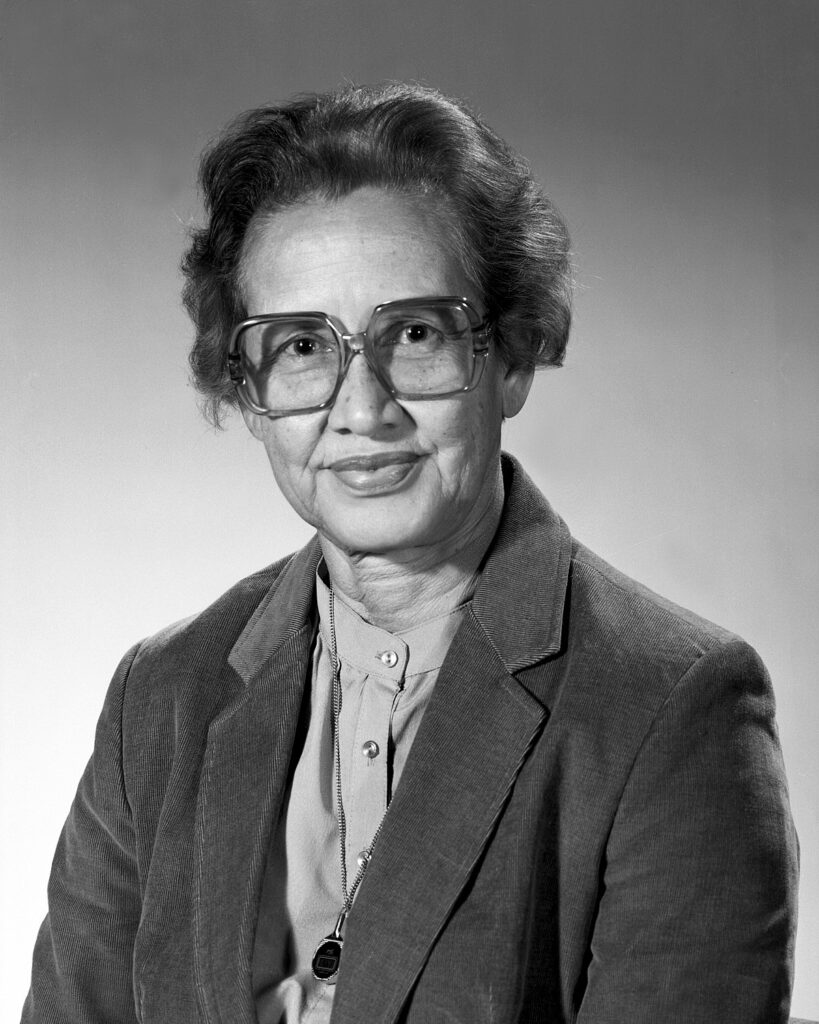
Katherine Johnson (1918-2020)
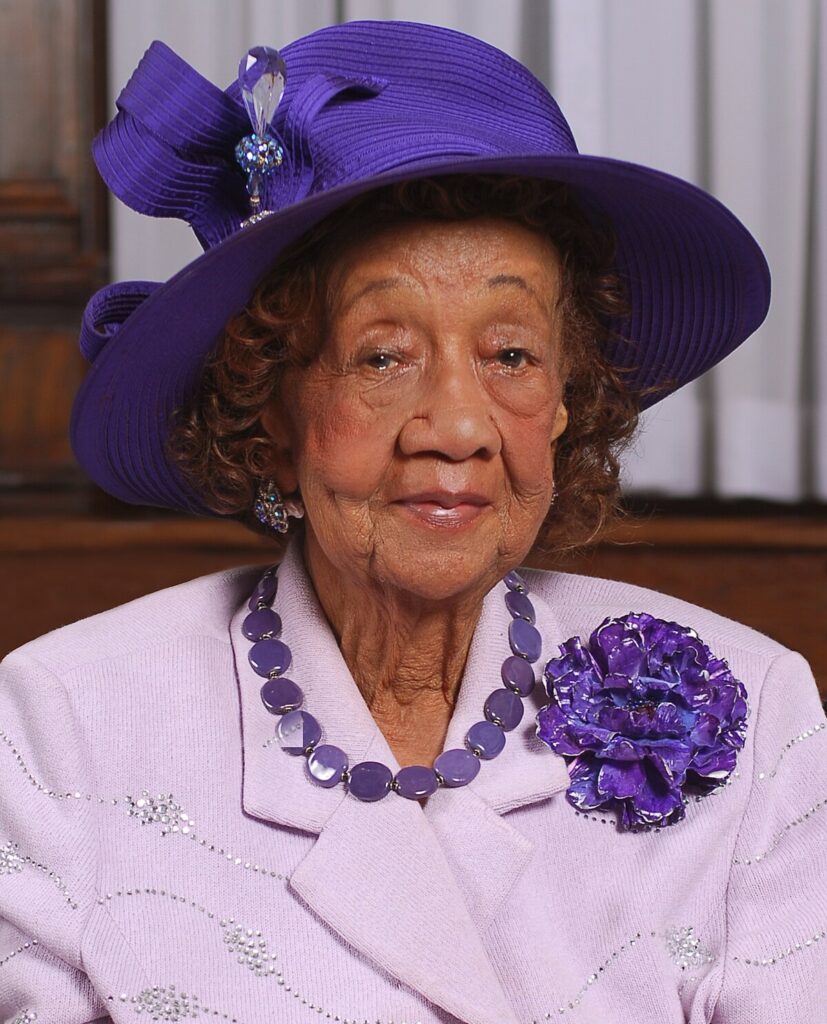
Dorothy Height (1912-2010)
“Without community service, we would not have a strong quality of life”.
An African American educator, activist, and leader in the civil rights movement. Height fought for racial and gender equality throughout her life. She was the president of the National Council of Negro Women for over 40 years and played a key role in the passage of the Civil Rights Act of 1964.
“Freedom is not something that one people can bestow on another as a gift”.
Nkrumah was a leading figure in the fight for Ghana’s independence from Britain. Granting a previously marginalized nation a powerful voice and a place on the global stage. He became the country’s first president in 1957 and is considered the “father of Ghana.”
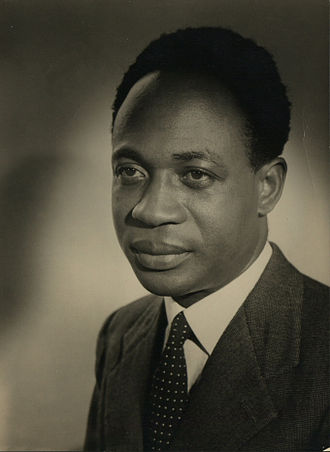
Francis Kwame Nkrumah (1909-1972)
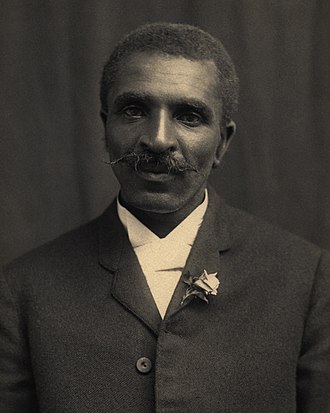
George Washington Carver (1861-1943)
“Nature. I love to think of nature as an unlimited broadcasting station, through which God speaks to us every hour, if we will only tune in”.
An agricultural scientist and inventor who developed hundreds of uses for peanuts, sweet potatoes, soybeans, and other crops. These groundbreaking discoveries not only addressed agricultural challenges in the South. His work greatly improved the lives of farmers
“I work and work and still it seems that i have nothing done”.
An African American chemist who developed the first successful treatment for leprosy in 1915. Her work was overshadowed by a white male doctor who claimed credit for the discovery.
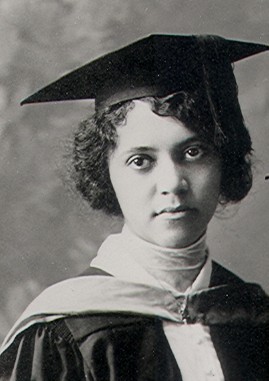
Alice Augusta Ball (1892-1916)
“Where there has been racial hatred, it must be ended. Where there has been tribal animosity, it will be finished. Let us not dwell upon the bitterness of the past. I would rather look to the future, to the good new Kenya, not to the bad old days”.
Kenyatta was a key figure in Kenya’s independence movement from Britain. He became the country’s first president in 1963 and is considered the “founding father of Kenya.”
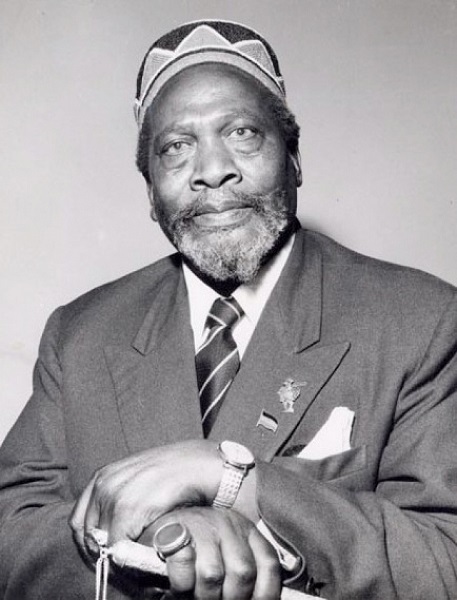
Jomo Kenyatta (1894-1978)
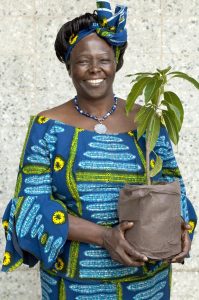
Wangari Maathai (1940-2011)
“Until you dig a hole, you plant a tree, you water it and make it survive, you haven’t done a thing”.
A Kenyan environmental activist who founded the Green Belt Movement, a non-profit that has planted millions of trees across Africa to combat deforestation and empower women.
“When you’re doing research in cancer. There is always this tremendous challenge: nobody else has found the answer…..Maybe I will”.
Dr. Jane Wright analyzed a wide range of anti-cancer agents, explored the relationship between patient and tissue culture response, and developed new techniques for administering cancer chemotherapy.
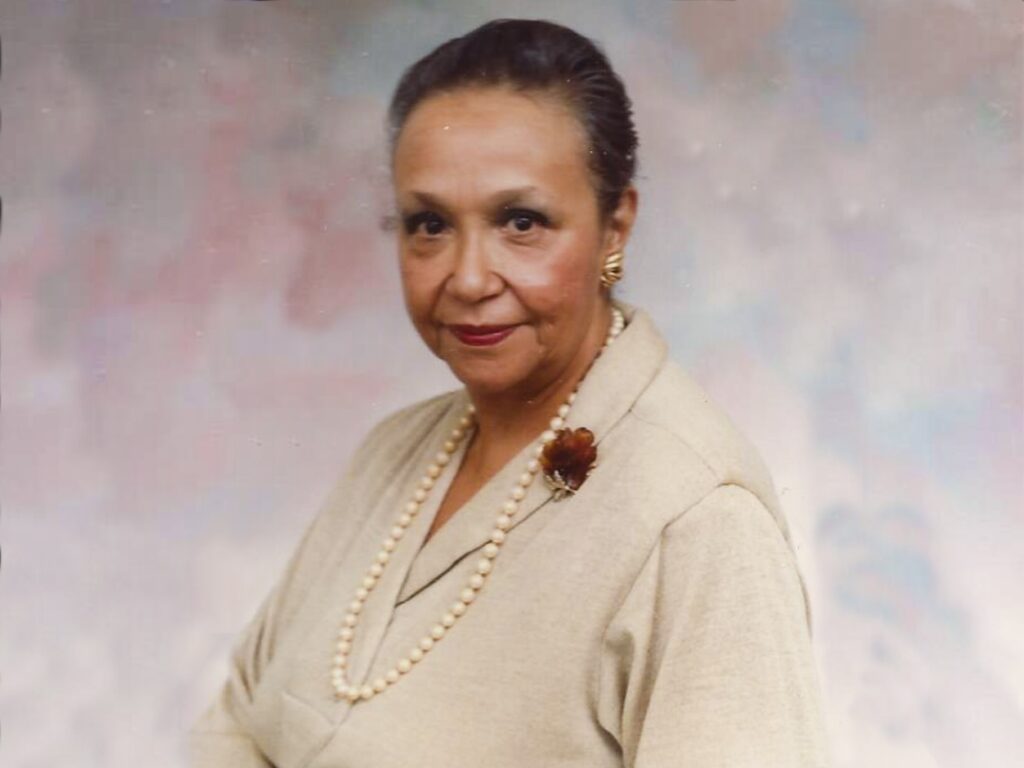
Jane Wright (1919-2013)
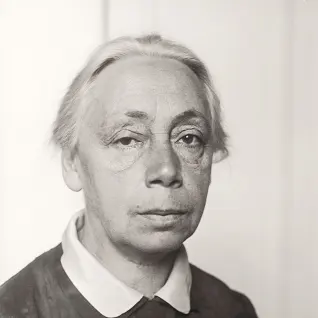
Käthe Kollwitz ( 1867–1945)
“I felt that I have no right to withdraw from the responsibility of being an advocate. It is my duty to voice the sufferings of men, the never-ending sufferings heaped mountain-high”.
A printmaker, sculptor, and painter who used her art to depict the harsh realities of poverty, war, and social injustice. Her powerful imagery gave voice to the working class and the suffering of ordinary people.